What Is an Herbal Tincture?
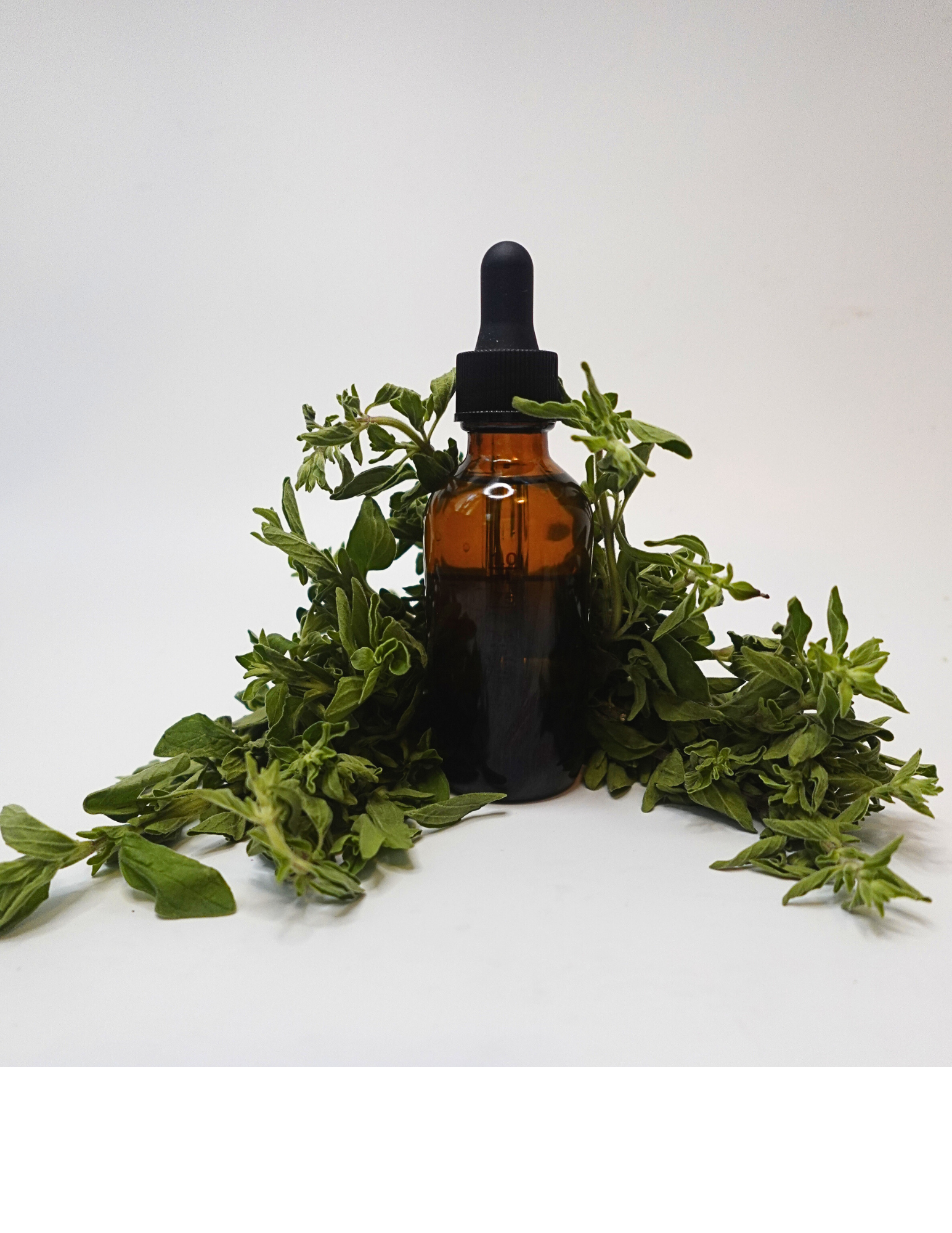
Herbal tinctures are one of the most concentrated ways to work with plants.
They’re made by soaking herbs in alcohol, glycerin, or vinegar for weeks, allowing the liquid to extract and preserve the plant’s active compounds.
Because of this process, tinctures are stronger than teas.
A small amount goes a long way. In many cases, a half dropper of tincture can be comparable to several cups of herbal tea.
That’s because teas are diluted in water, while tinctures are concentrated extracts designed to deliver more of the plant’s properties in a smaller volume.
This doesn’t mean tinctures are “better,” but it does mean they work differently.
Why Tinctures Are More Concentrated?
When herbs are steeped for weeks instead of minutes, more of their beneficial compounds are drawn out and preserved. This makes tinctures:
More potent by volume
Easier to take in small amounts
Longer lasting on the shelf
Useful when you want consistent, measured support
Because of this concentration, tinctures are often used in smaller doses and with more intention.
How Does That Compares to Tea?
Teas are gentler and more diluted. They’re meant to be sipped, enjoyed, and worked with slowly. Tea offers hydration, ritual, and a softer way to support the body throughout the day.
Tinctures, on the other hand, are more focused. They’re often chosen when someone wants something efficient, portable, or when making tea isn’t practical.
Both have value. One isn’t “better” than the other — they simply serve different purposes.
What Tinctures Are Made With?
Not all tinctures are created the same, and the liquid used to extract the herbs makes a real difference.
Traditionally, tinctures are made using 80-proof alcohol or higher, such as vodka or brandy. Alcohol is one of the most effective solvents for herbal extraction. It pulls a wide range of plant compounds and preserves them for long-term use. When made and stored properly, alcohol-based tinctures can remain stable for several years.
Because of this, tinctures made with alcohol are typically more concentrated. A small amount can deliver what might otherwise require several cups of tea. This does not mean stronger is better, but it does mean tinctures work differently and should be used with intention.
Some tinctures are made with vegetable glycerin instead. Glycerin is naturally sweet and alcohol-free, which makes it appealing for some people. It extracts certain plant compounds well, but not all. Glycerin-based tinctures also tend to have a shorter shelf life, usually around one year.
Another option you may see is apple cider vinegar. Vinegar is especially good at extracting minerals and certain water-soluble compounds. Like glycerin, it does not extract the full range of plant constituents and typically has a shorter shelf life than alcohol-based tinctures.
None of these methods are “better” in every situation. They simply serve different purposes.
Alcohol-based tinctures are often chosen for their strength, longevity, and full-spectrum extraction. Glycerin and vinegar-based tinctures are gentler options that may be more appropriate for some people or certain herbs.
Safety Note:
It’s also important to note that alcohol-based tinctures do contain alcohol.
For those who are sober, in recovery, sensitive to alcohol, or simply prefer to avoid it, this is an important consideration.
While tinctures can be added to water, tea, or juice to dilute the alcohol before taking, some people may still prefer to choose glycerin or vinegar-based preparations instead.
For those who do use alcohol-based tinctures, they are typically taken in very small amounts.
For the tinctures sold on my shop, I personally choose not to dilute my tinctures ahead of time so they remain shelf-stable and potent, but they can always be mixed into water or tea at the time of use.
The most important thing is knowing what you’re taking, how it was made, and how your body responds.
Herbal work isn’t about using the strongest option available , it’s about choosing the form that feels safest, most supportive, and most aligned for you.
Disclaimer:
The information shared here is for educational purposes only and is not intended to diagnose, treat, cure, or prevent any condition.
Herbs can support the body in many ways, but everyone is different. What works for one person may not be right for another.
If you are pregnant, nursing, taking medication, or managing a health condition, please consult a qualified healthcare professional before using herbal products.
Always listen to your body and go slowly.
